Be yourself; Everyone else is already taken.
— Oscar Wilde.
This is the first post on my new blog. I’m just getting this new blog going, so stay tuned for more. Subscribe below to get notified when I post new updates.
Be yourself; Everyone else is already taken.
— Oscar Wilde.
This is the first post on my new blog. I’m just getting this new blog going, so stay tuned for more. Subscribe below to get notified when I post new updates.


The Internet of Things (IoT) represents the next phase of the Internet revolution. Technology makes it possible to bring physical devices into the digital realm.
Despite the growing prevalence of IoT, many people are in the tech obscurity.
In our opinion, here are the 5 best examples of IoT based applications in today’s world.
1) IoT Sensors

IoT sensors are made up of manual or digital sensors connected to circuit boards such as Arduino Uno or Raspberry Pi 2. Circuit boards can be programmed to measure a range of data collected from a sensor such as carbon monoxide, temperature, humidity, pressure, vibration and movement.
What differentiates IoT sensors from simple sensors is that they can not only collect data in different physical environments but also send data to connected devices.
IoT sensors enable transparent control of data through automation providing actionable insights. They can be used by businesses for predictive maintenance, improved efficiency, and reduced costs.
2) IoT Data Analytics

Companies are increasingly using IoT data analytics to determine trends and patterns by analyzing big and small data. IoT data analytics applications can analyze structured, unstructured, and semi-structured data to extract meaningful information.
IoT can be applied in data analysis to study different types of data including motion data sets, geographic data, and healthcare data. It can be used by companies for predictive and descriptive analysis to improve customer insight, improve operational efficiency, and create business value.
3) IoT Tracking and Monitoring System

Many companies use IoT systems for asset tracking. IoT asset trackers use GPS or radio frequency (RF) to track and monitor properties. Smart devices can be used for long-term identification and verification of assets.
4) IoT Connected Factory
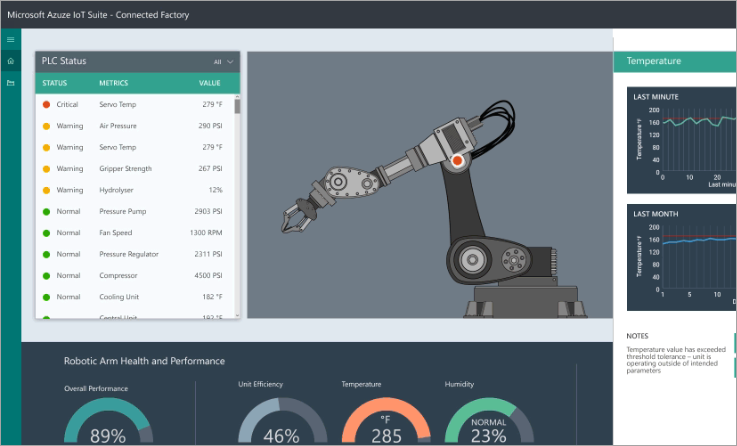
Businesses can also use IoT connected factory solutions such as Azure IoT for managing industrial IoT devices. The connected cloud software can be fed with different resources that can control a range of devices.
The connected factory solution can report key metrics data including equipment efficiency and telemetry data. Data can be collected on assets located in different geographic locations. You can use the connected factory solution to connect, monitor, and control remote industrial devices.
5) Smart Supply Chain Management

Supply chain managers can improve their forecasting with intelligent routing and rerouting algorithms. Smart IoT devices connected to packages can provide instant post-incident facts via GPS and RFID signals that can help make informed decisions for the supply chain.
IoT applications can help mitigate the risks of uncertainty in supply chain management. Supply chain managers can use intelligent supply chain management programs to minimize variances, reduce costs, and improve profitability.
Programs can help with inventory management, supplier relationships, fleet management, and scheduled maintenance.
Conclusion
The Internet of Things (IoT) offers endless opportunities for businesses. Technology has already caused disruption in many different industries. The business landscape is slowly changing with the evolution of IoT technology.
This article highlights the context of IoT technology and the ever-expanding applications of the technology. Understanding the origin and application of IoT can put your business in a better position to get the most out of technology.
These are just some of the IoT applications that specialize in.
For more details on how we can help you with Internet of Things, just write to us with your requirements. – Contact usFor a free quote and for design and UX consultation
An average smartphone user spent 2 hours and 55 minutes on a smartphone every day in 2019. This is longer than the time spent watching TV or engaging with any other media. About 90% of this time was spent in apps. Clearly, mobile apps are the biggest medium your customers are engaging with digitally. Smartphone users have an average of 80 apps installed on their phone and use at least 40 of them every month.40 a month is quite a lot. Maybe you could create an app that breaks into this top 40!
That’s right. 2020 was predicted to be a great year for app development anyway. But with the Covid-19 pandemic, it has become even more crucial that innovators like you step up to build more digital solutions like mobile apps to help the people and the economy.
A mobile app is the best way to either build a business from scratch or increase your existing business and give it a digital edge. Because studies have proven time and again that businesses that have a mobile app engage customers better and see bigger revenues.
Backing that up is data from App Annie, stating that 90% of customers who enjoyed an app interaction will continue to buy from that company in the future.
In fact, we have a wonderful post on our blog that gives you excellent statistics proving why apps are good for business.
So now that we’ve established all the reasons why you need to stop procrastinating and dive into app development right now, it’s time to get busy.
To bring your next-big-thing app idea to life, all you need is a good mobile app programming language – one that is easy to learn, futuristic, and scalable. A good coding language for apps must have certain properties that not only help develop high-performance apps but also make the developer’s life easier. How do they do that? I’ll answer that as we go through this post discussing the best programming languages for apps.
There are literally dozens of programming languages for mobile apps. If you had to wade through a list of 30 different coding languages to choose one for your app, you’d spend days just doing the research. To save you that precious time and trouble, I have compiled a list of the top 6 languages, any of which will help you develop a fantastic mobile app.
Further, I’ve divided this list by the type of app you want to develop – iOS, Android, or Hybrid – making the selection even easier for you. This way, you spend less time researching and more time actually developing your app.
So without further ado, let’s dive in.
1. Java
25 years later, Java remains the most popular programming language among developers, despite all the new entrants that have made their mark. In a world where new technologies are rapidly replacing old ones, none has been able to replace Java.
One of the main reasons why Java is the first choice of all application developers is that it is very easy to learn and get started, and it also offers extensive community support which is an added help. for new developers.
Don’t let the ease of learning go, Java is a powerful programming language for mobile applications. Some of the best Android apps have been developed using Java, including Spotify, Twitter, and of course, the Android operating system.
With the Android operating system itself developed in Java, you will be able to easily develop any Android application once you master Java. Some of the best features of Java include:
Java’s simple, easy-to-understand syntax is much more readable than Python and other coding languages used for mobile app development.
Being an object-oriented programming language, it better handles the complexity of real-world applications.
With its rich API, Java allows you to integrate much more into your application.
Java’s rich community support helps new developers really hone their skills and never be left without help. You can expect to find answers quickly and in sufficient detail.
Another thing that you will love about Java is that it is a strongly typed language. This means that it will detect many mistakes you make as a beginner.
To sum up, Java is one of the best programming languages for application development, especially if you are new to application development and need an Android programming language that meets all needs.
2. Kotlin
If Java is the trusty old Corvette that never lets you down, Kotlin is the efficient new Corvette Stingray that combines all the reliability of the old with the modernity of the new.
When Google announced Kotlin as a 100% first-class language for Android development, app developers around the world were ecstatic.
Kotlin takes the best of Java and goes one step further to make it even better. One of the things app developers appreciate most about Kotlin is how easy it is to use and configure. It is open-source and completely free and works on any platform. In addition, it supports almost all development environments.
Thanks to its full interoperability with Java, if some of your code is already written in Java, you can just as easily use Kotlin for other parts of your project, without affecting any factors.
Kotlin might be one of the simpler coding languages to start with because it’s one of the cleanest statically typed programming languages used to build applications.
Kotlin’s documentation is extremely simple, detailed, and fun, making it a fantastic learning experience when you start your journey into coding languages for applications.
The Kotlin community is large and thriving with renowned experts frequently available on GitHub and other forums, happy to answer any questions from other developers.
In fact, there is even a Kotlin Slack group where you can easily have your questions answered by some of the more well-known developers.
Jetbrains – the creators of Kotlin made sure that developers’ concerns came first when developing the language. A secure nullity system, method references, Lambdas, a built-in mutability/immutability system, and easy-to-use flow operators are just a few of the features developers have always looked for, making Kotlin the best language. Android programming.
Best programming language for developing native iOS apps
3. Swift
Shortly after its release in 2014, Swift saw an exponential increase in popularity and was ranked as the most beloved programming language on Stack Overflow in 2015. At the time, Apple said its goal for Swift was “Total and complete world domination”, calling it a “modest goal” to that.
Now, about six years later, we can already see Apple achieving that goal. The Apple App Store has nearly 500,000 applications written at least partially in Swift.
The very initiative Swift was created with was Apple’s “Anyone Can Code”. Obviously, if you want to get into app development, Swift is your best programming language.
Some of the best apps you’ve heard of, including Uber, Lyft, Square, and Airbnb, use Swift as the primary programming language for iOS apps.
According to Stack Overflow’s comprehensive developer survey, Swift programmers earn an average of $ 120,000 in annual salary.
For anyone considering learning to code, Swift is the best iOS programming language. It’s quick and easy to learn, created especially to be user-friendly. It has built-in design features that give you real-time feedback. It helps you minimize errors and keep your code clean.
Swift also lets you write code faster as it cuts down on a number of menial tasks that normally slow down developers and turns complex code into optimized syntax, leaving developers happy and sorted.
Another reason why Swift is ideal for new developers is that it offers a number of built-in tools that make development easier for you.
Swift Playgrounds is an app specially designed by Apple to help beginners learn to code easily with community experts ready to teach. You can use this app to learn coding from scratch in a highly interactive and engaging environment. complete world dominance”, calling it a “modest goal” at that.
4. Objective-C
While Swift has largely become the go-to programming language used for iOS app development today, its older brother – Objective-C – still remains the wisest for many developers.
Objective-C is a superset of C, the oldest of the computer programming languages. This makes it highly compatible with C and C ++ codes. It has been around for over 30 years now and still remains a top choice when it comes to iOS programming languages.
Having been around for so long, it has an unmatched level of maturity, as highly trusted and well-tested coding languages, behind hundreds of successful applications.
Objective-C is a very dynamic language, allowing you to choose between static typing and dynamic typing.
Connecting Objective-C to private APIs is easier and faster.
Being a very dynamic object-oriented language, Objective-C gives you great adaptability at runtime. So you can access private APIs or even simulated objects at runtime. This makes coding much faster and easier.
Objective-C, which has been around for a long time, is also one of the more stable languages that work great for a wide range of types of projects. It is less error-prone, contains fewer bugs, and compiles more easily than its counterparts.
Best programming language for developing cross-platform applications
5. React Native
React Native started out as an internal Facebook hackathon project and has turned out so well that it has grown into one of the best coding languages that can build apps that work on any platform.
That’s right, cross-platform apps are apps that don’t need to be created separately for Android and iOS. So you can build a single app and deploy it on both platforms, which cuts your development work in half and doubles your reach.
React Native is a robust programming language used for application development that is not limited to a single platform. It has been used in the development of very popular applications like Uber and Airbnb. For various reasons, React Native is the future of hybrid apps.
React Native allows developers to write sections of code and reuse them across different platforms. After deploying the code, they can easily adapt it to the respective platforms by styling the elements and detailing the finer nuances.
In addition to code reusability, React Native also has a number of prebuilt components in an open source library. This means that components already developed by others developed and uploaded to the library can be easily used by you, allowing high speed of development.
React Native offers a streamlined user interface with a very well-sorted implementation order. This makes the apps built into React Native faster, more responsive, faster to load, and smoother to use. There are a number of React Native libraries that just make the job easier.
Another major advantage of React Native is the support for third-party plugins. So if your eCommerce app needs calendar support, you don’t have to create a calendar from scratch. React Native allows you to find a pre-built calendar available for use (there are plenty of them) and simply embed it into your app.
The modular architecture, live and hot reloading, declarative coding style, and a number of other features make React Native particularly well suited for application development.
Making it all even more interesting is rich community support and impeccable documentation. All in all, if you want to get started quickly and build a faster, cheaper, and still amazing cross-platform app, React Native is a fantastic mobile programming language.
6. Flutter
Flutter, developed by Google as a Mobile App SDK, gives developers a quick and easy way to build rich, high-performance mobile apps that can easily be deployed on both platforms.
Flutter is essentially a mobile app development framework that uses the Dart coding language and has a rich library of widgets and tools to help you create highly visual and immersive app experiences.
Thanks to its rich widgets, Flutter creates cross-platform apps that feel just as smooth as native apps. It enables faster code writing by making full use of code reusability. This means that you can use large sections of your code as-is on both platforms. All you do is add a few defining UI elements individually to the app and you can have a fully functional cross-platform app in half the time and money.
One of Flutter’s winning achievements is Hot Reload – the ability to see code changes in real-time as they change the app. So if you want to change any part of the app, make it look, feel, or function differently, you can edit the code and see how the changes happen in real-time.
Since the codebase is smaller and the same for both platforms, Flutter requires significantly less testing than its native counterparts.
Not only does Flutter have a rich library of UI widgets to help you build visually stunning apps, but it also lets you customize your widgets, really leveraging that rich native experience you covet in a language. programming used for mobile applications.
Conclusion
So these are the 6 best programming languages for developing mobile applications. Of course, there are a number of other wonderful languages like Ruby, Python, and HTML5, but at first, it is better to pick the most popular and get down to business instead of spending too much time researching 30 different languages. .
Depending on whether you want to build Android, iOS, or cross-platform apps, you should only choose one out of two now. Hope this saved you precious weeks of reading and research, which you can now spend learning and developing your app.
No matter what you choose, all the languages on this list are perfectly capable of allowing you to build a fabulous application. So good coding!
India is becoming the fertile landmass for app development, having more than 50 thousand app development companies with more than 300 thousand mobile app developers. After the US, India has the largest community of Android Developers across the globe.
It’s an impossible job to mention the 10 best Indian app developers. It’s really hard as everyone in the market is claiming to be the best with a huge number of clients. Surveys and researches on the same help you a little, and you end up with hundreds of developing companies on hands. It will take ages to find out the best of the rest.

To tackle such an intricate situation, experts advise to explore the top app developing companies, but always keep in mind, even Google counts on organic results.
What best can be done in this situation is highlighting the common names in the initial results, and list them among the best ones on the basis of the standard parameters such as reviews & ratings, market reputation, cost-effectiveness etc.
And we have done exactly done that.
1. GoodWorkLabs
GoodWorkLabs is a world-leading new-age software and design lab that delivers cutting-edge products and solutions for customers globally. With an objective to solve complex problems for customers, the firm specializes in outsourced product development, high-end mobile/gaming apps, and custom software development across technologies including Ruby on Rails, Java, PHP, Mac, iOS, and Android.
GoodWorkLabs also houses a unique UX/UI Design Studio and crafts beautiful and useful interfaces and products.

2. Konstant Infosolutions

Konstant Info is a global technology and innovation company with a special focus in mobile app development (iOS, Android, Hybrid) and web development (HTML5, Angular.js, Node.js, cloud, etc.) that solve real-world problems. We’ve launched 500+ top-rated apps and hundreds of more prototypes, offering a full range of digital technology solutions and services worldwide.
3. Appster

Appster is a full-scale mobile & web app development firm with 390 people across 3 continents & offices in Silicon Valley (San Francisco), Melbourne (Australia), New York & India.
4. Robosoft Technologies
Robosoft Technologies is an end-to-end Mobile app and Digital solutions company with over 500 experts across the US, India, and UAE, working with Global clients.
5. Hidden Brains InfoTech
Hidden Brains Infotech is an Award Winning Software & Mobile App Development Company committed to providing end-to-end IT services in Web, Mobile & Cloud.
From ideation, UX/UI design, development to Software deployment, we have successfully delivered 5000+ Web & 1000+ Mobile apps over a span of 13 years to clients across 102 countries.
6. Promatics Technologies
Promatics Technologies is a premier web and mobile apps development company. As a seasoned team of 100+ developers, we have built a strong foundation of the web and mobile app development processes with much matured and optimized engagement and delivery models.
7. hedgehog lab
hedgehog lab is a global technology consultancy that specializes in multi-platform software and connected device innovation. We architect, design, develop, and market apps & digital solutions for phones, tablets, TV, kiosks & and other post-PC devices.
8. Sourcebits
Sourcebits is a Bangalore based mobile application Development Company in India and the USA. It is a child company of Globo Group, has delivered more than 500 mobile app development projects. Founded in 2006, Sourcebits employs more than 200 employees, including dedicated designers, developers, and project managers. It develops mobile apps on all major mobile platforms, including iOS, and Android. Its US office is in San Francisco and the India office is in Bangalore.
9. QBurst
QBurst is India based one of the major mobile application development service providers. The company’s client base includes Burberry, Acis and Airtel. QBurst has branches in Trivandrum, Bialystok, Sydney, and Dubai.
10. Appsquadz

AppSquadz Technology is a lined up unit of adept mobile application developers, designers & traffickers pledged to expand the enterprises, trade and networked investment across the globe to make an impeccable and lasting impact in applications & technological advancement.
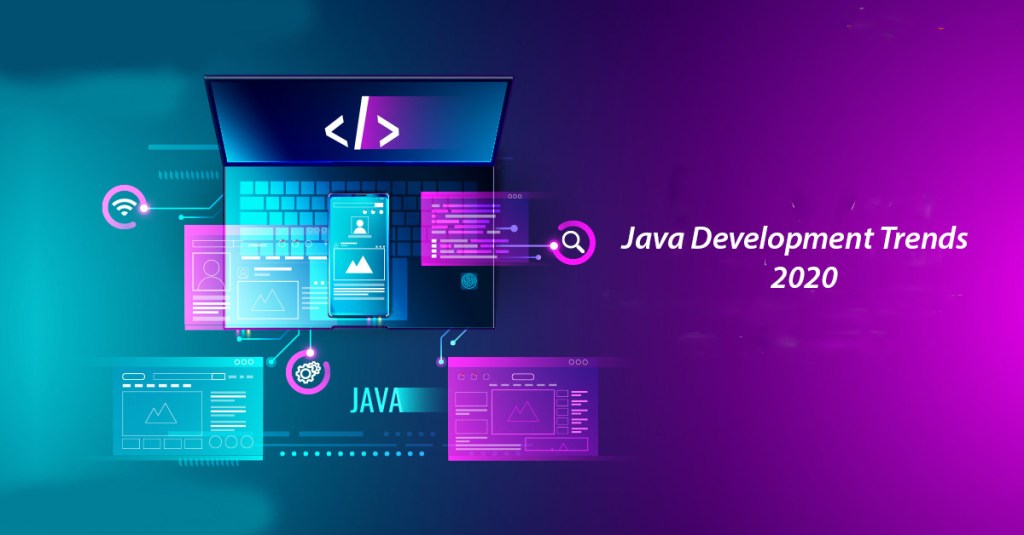
In this article, we present a comprehensive article on Java development trends for 2020. Did you know that since its inception in the last century, Java now runs on 10 billion devices? It has been the most popular coding language for decades, but in recent months Java has undergone significant changes. It was voted to change the name of Java from Java EE to Jakarta EE and the governance of the brand is transferred to the Eclipse Foundation. For the programmer accustomed to coding complex and robust applications for enterprises using Java, fixing the product and revitalizing the already crowded DevOps marketplace can seem like the worst thing.
However, Java will not be extinct quite yet, as the goal of the transition is to bolster new changes for Java developers to improve the container and cloud-centric business world.
1. A quick summary of Java trends to date
First, let’s take a look back at some of the java trends we’ve seen in recent years:
1.1 The development of MicroProfile and EE4J projects
The Eclipse Foundation stood up with dignity when it presented its MicroProfile and EE4J projects. MicroProfile provided insight into how a progressive Java EE community could thrive. Spring and Java EE technologies have benefited from this development by bringing accelerated innovation.
1.2 The Rise of Kotlin
The JVM compatible programming language called Kotlin has caught the attention of the Android / Java community. Its interoperability and precise coding syntax with Java has already made Kotlin popular in the application development industry. For Android, Kotlin is a great support and there are plans to further improve its app to develop a mobile app.
1.3 Perfect and promising configuration of Java runtime environments and containers with applications
The core of the collection has managed to take advantage of more advantages in the use of runtime environments and Java containers. This provides a seamless configuration of regular memory management and Java applications.
1.4 The “six-month Release” interval
This refers to regular iterations and faster introduction of innovations in Java applications. These features are available in enterprising stores.
2. Future of Java
Let’s take a look at some Java development trends developers should expect in 2019:
2.1 Java continues to evolve: Java SE 10
Over 9 million developers use the programming language of Java. It includes comprehensive libraries that form the application development of the entire enterprise. With the announcement of Java SE 10, which was designed in active collaboration with the OpenJDK community, many more innovations have been added.
2.2 RTSJ (Real-time specification for Java)
Java creator James Gosling and Sun real-time expert Greg Bollela defined embedded systems as “the new frontier where predictable execution takes precedence” over other system features such as the ability to transport payload, speed, and bandwidth. They popularize real-time Java applications for embedded applications.
2.3 Juxtapose project
Sun’s open-source JXTA platform has gained great recognition within the developer community. With this project, Sun wants to control the rules that will oversee future Java development services. Through this, developers will be able to direct their capabilities to deliver more to Java application development.
2.4 Easy use of wireless applications
The development of wireless applications in Java has generated a lot of traffic due to its type of open-source platform, and the reason is Nokia, which has chosen to use Symbian open-source for its future handsets.
Wireless LAN and LAN Java applications are difficult because they are built on one platform but used on a completely different platform. It is of concern that while emulators allow developers to test on the development platform, they still require testing and evaluating the application in another environment of a live wireless network. Depending on the future of java, this will be made accessible.
2.5 The growing demand for Java developers
For a statically typed language like Java, it is easier and faster to manage with fewer bugs. It is also backward compatible, meaning that previous versions of Java will still work seamlessly even after the latest versions have been released. This is a huge respite for companies that would otherwise worry about rewriting code with every release of the latest version. Combined with its flexibility, developers know that entrusting Java will pay off in the long run.
2.6 Java and the Internet of Things (IoT) era
IoT is one of the new trends in Java. Currently, Java is one of the few technologies that can contribute to IoT. It is, in fact, true that the future of Java lies in the IoT. The ME platform in Java enables vendors to develop secure applications for mobile businesses for IoT, and Intel’s IoT platform also supports the language.
3. Java Development Trends – Conclusion
From its beginnings in the 1990s until the arrival of OOP and Internet applications, Java has been the leader in enterprise coding technology. And when some experts consider it old, it still has not ceased to be relevant in architecture and applications today. The reason is that Java provides a cross-platform example for developers to develop robust and productive applications. However, things are moving too fast now and Java is struggling to keep up. Still, the silver lining remains with Jakarta EE. Therefore, only time can tell what the future of Java will look like.
However, Java will not be extinct quite yet, as the goal of the transition is to bolster new changes for Java developers to improve the container and cloud-centric business world.
1. A quick summary of Java trends to date
First, let’s take a look back at some of the java trends we’ve seen in recent years:
1.1 The development of MicroProfile and EE4J projects
The Eclipse Foundation stood up with dignity when it presented its MicroProfile and EE4J projects. MicroProfile provided insight into how a progressive Java EE community could thrive. Spring and Java EE technologies have benefited from this development by bringing accelerated innovation.
1.2 The Rise of Kotlin
The JVM compatible programming language called Kotlin has caught the attention of the Android / Java community. Its interoperability and precise coding syntax with Java has already made Kotlin popular in the application development industry. For Android, Kotlin is a great support and there are plans to further improve its app to develop a mobile app.
1.3 Perfect and promising configuration of Java runtime environments and containers with applications
The core of the collection has managed to take advantage of more advantages in the use of runtime environments and Java containers. This provides a seamless configuration of regular memory management and Java applications.
1.4 The “six-month Release” interval
This refers to regular iterations and faster introduction of innovations in Java applications. These features are available in enterprising stores.
2. Future of Java
Let’s take a look at some Java development trends developers should expect in 2019:
2.1 Java continues to evolve: Java SE 10
Over 9 million developers use the programming language of Java. It includes comprehensive libraries that form the application development of the entire enterprise. With the announcement of Java SE 10, which was designed in active collaboration with the OpenJDK community, many more innovations have been added.
2.2 RTSJ (Real-time specification for Java)
Java creator James Gosling and Sun real-time expert Greg Bollela defined embedded systems as “the new frontier where predictable execution takes precedence” over other system features such as the ability to transport payload, speed, and bandwidth. They popularize real-time Java applications for embedded applications.
2.3 Juxtapose project
Sun’s open-source JXTA platform has gained great recognition within the developer community. With this project, Sun wants to control the rules that will oversee future Java development services. Through this, developers will be able to direct their capabilities to deliver more to Java application development.
2.4 Easy use of wireless applications
The development of wireless applications in Java has generated a lot of traffic due to its type of open-source platform, and the reason is Nokia, which has chosen to use Symbian open-source for its future handsets.
Wireless LAN and LAN Java applications are difficult because they are built on one platform but used on a completely different platform. It is of concern that while emulators allow developers to test on the development platform, they still require testing and evaluating the application in another environment of a live wireless network. Depending on the future of java, this will be made accessible.
2.5 The growing demand for Java developers
For a statically typed language like Java, it is easier and faster to manage with fewer bugs. It is also backward compatible, meaning that previous versions of Java will still work seamlessly even after the latest versions have been released. This is a huge respite for companies that would otherwise worry about rewriting code with every release of the latest version. Combined with its flexibility, developers know that entrusting Java will pay off in the long run.
2.6 Java and the Internet of Things (IoT) era
IoT is one of the new trends in Java. Currently, Java is one of the few technologies that can contribute to IoT. It is, in fact, true that the future of Java lies in the IoT. The ME platform in Java enables vendors to develop secure applications for mobile businesses for IoT, and Intel’s IoT platform also supports the language.
3. Java Development Trends – Conclusion
From its beginnings in the 1990s until the arrival of OOP and Internet applications, Java has been the leader in enterprise coding technology. And when some experts consider it old, it still has not ceased to be relevant in architecture and applications today. The reason is that Java provides a cross-platform example for developers to develop robust and productive applications. However, things are moving too fast now and Java is struggling to keep up. Still, the silver lining remains with Jakarta EE. Therefore, only time can tell what the future of Java will look like.

When it comes to mobile app development, one opinion can really change the world. suppose you have a progressive idea, but you don’t have programming expertise. It is important that you focus on improving your customer experience instead of focusing your energies on a non-essential business process. In such a situation, collaborating with a mobile application development company seems to be an ideal decision.
The market has grown rapidly due to user needs and the availability of development tools. If you plan to take your mobile opinion to the next level, it is essential to choose the best mobile application development company in Bangalore.
You have appeared in the right place. In addition to showing you how to find the best mobile app development company in Bangalore, we will also reveal the type of services you should be thinking about and walk you through some of the do’s and don’ts of getting an app made for your business. .
According to Statista the global mobile revenues 2015-2020:
Technological advances have always taken our lives in the next step, especially just after the invention of smartphones and their related applications. Every day, from morning to night until night and more, we rely heavily on smartphones to accomplish our tasks. It has merged into our lives in such a way that it plays a crucial role in it.
Hundreds and thousands of mobile app development companies in Bangalore say they are the best when few have the real fire. In Bangalore, it is a Herculean task for all entrepreneurs to find the right and real application developers of their choice.
Where to find the best mobile app developers in bangalore?
1.Freelancers / individuals
Job Boards: In terms of job boards, I would know more about Indeed and Dice, than on Monster.
Independent platforms: for small professions, you have platforms, for example, Up work and Fiverr. However, I would not prescribe them for application development.
Besides word of mouth, you can find the best mobile app developers online
Social media: LinkedIn is the main place I personally search for skills. You should do a ton of digs, but you will find what you are looking for. Another great place is Meetup.

Bangalore aka Bengaluru is one of the best technology centers in India. Recent studies indicate that Bangalore is the most innovative big city in the country. From Fortune 500 companies to IT giants, startups, soon to be unicorns and unicorns reside in Bangalore. Overall, 99.99% depends on mobile apps for daily business operations and uses it as a tool for customer engagement. This paved the way for mobile app development companies in Bangalore to reach the mainstream.
The most ideal approach to finding Android or iOS development companies near you is to look online, visit their website to check if they offer what you need and make an appointment.
While there are many different freelancers with different abilities and levels, in case you invest enough time to sift through, your chances of finding an app developer that is right for you increase.
There are also risks: you may end up with an unscrupulous or lazy guy, perhaps whose online reviews and portfolio were untrue, or one who consistently misses deadlines and provides buggy software.
You also don’t need to join your specific city because you can’t find one that suits you. Use Google to find the best mobile app development agencies across the country, or even around the world.
Small businesses in this area are very often guaranteed to provide you with a superior experience than some of the large technology companies. The latter mentioned, though they may present themselves as more and more attractive, are not going to give you the degree of personalized care and time that the best small application design companies or individual developers.
3. estimation of time and costs
Each investor has budget and time limits for their project, so you should always ask a potential company to provide a reliable estimate of costs and time for your project. Based on time and cost, you can choose the best company that also suits your cost with the best development services
4. Variety of application
Application developers can create three types of applications: web, native, or hybrid. It is a central choice that software architects must make before choosing a development platform. But native apps offer the best performance of mobile apps. Native apps are those that use native reflections from the mobile device like the camera or GPS. Web applications are those that are created using HTML5 and CSS3. Hybrid apps are a mix of web and native apps. The development of the mobile application must be chosen in accordance with this decision
5. Profitability
The cost and quality of a business are constantly in conflict, especially with customers who focus on purchasing high-quality products at reasonable prices. Despite the fact that good quality apps would be expensive, it is important to ensure that they are also profitable. A company that was created years ago will offer preferential rates over another company and it is wise to follow the previous one. Do your research online to choose the right one.
6. Faster and timely application delivery
If the company you have chosen offers the fastest turnaround time at this point, this is the perfect company for you. Fast delivery of high quality apps is the thing the business should aim for as it is what will earn them
and exceed expectations in the challenge. Faster market application, higher revenues with better business effect and better return on investment. A good mobile application development company keeps the growing market needs in mind and also stays up to date for any new event in its field
.If you are looking for the best mobile application development company that can help you do more, you need to choose an Inflame software service that can strategic your mobility solutions. At Inflame Software Services, you get answers to urgent business challenges.
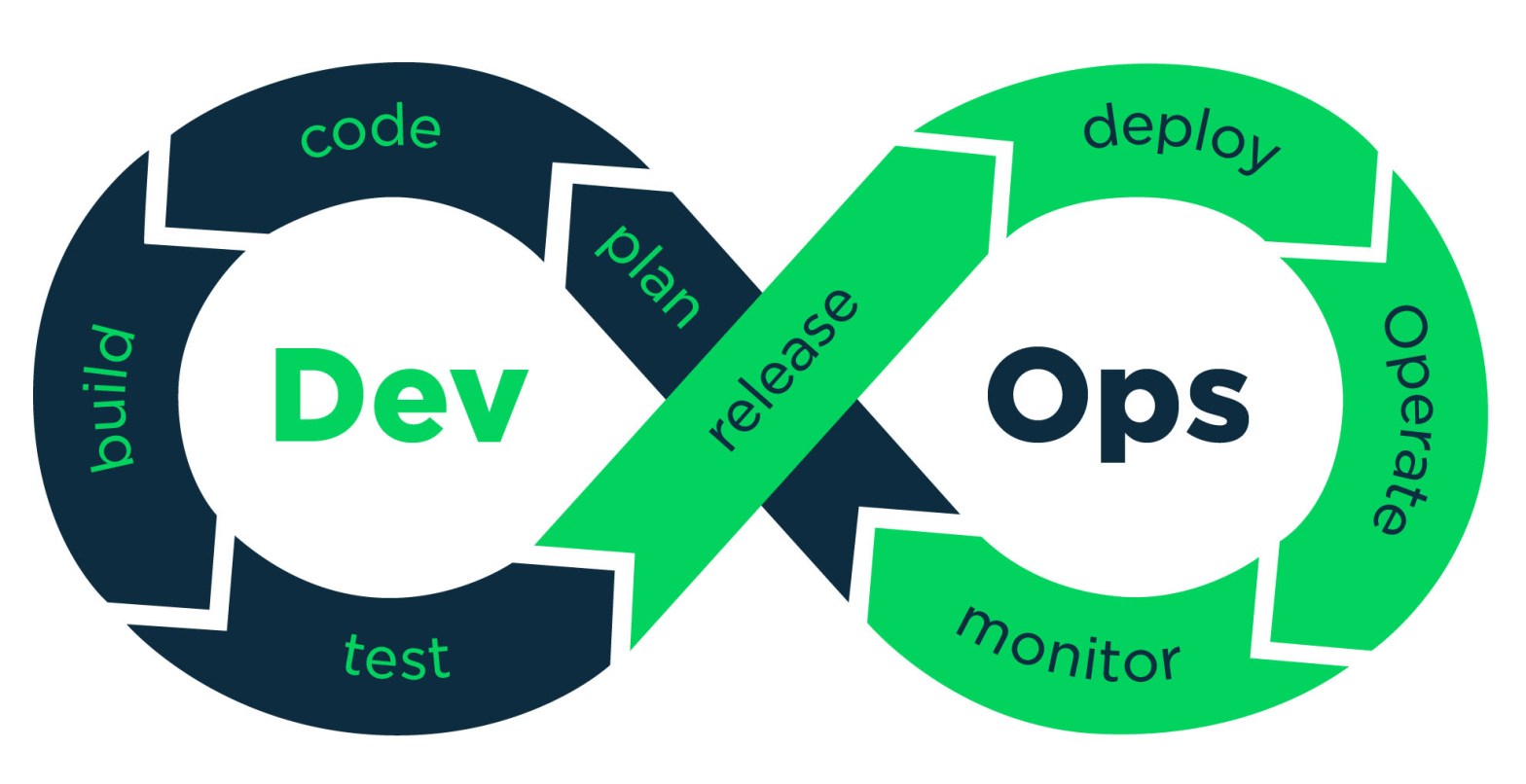
We all know that if you want to be successful in today’s business world, you need two key elements. First, the stability of the business and second, adaptability. DevOps (Development & Operations) is not a title or role. It is a software development approach that combines development and operations to enable agility that mitigates the differences between software development and operations.
Many companies see DevOps automation as a challenge rather than seeing it as an opportunity. An opportunity that can take your software development process to a new level. 67% of SMEs and 47% of large companies have adopted DevOps in their software engineering services. Implementing DevOps automation is not easy. He faced many challenges that must be resolved before DevOps becomes the permanent work culture.
Development v/s Operations
The whole concept of DevOps based on a collaborative effort of different teams to produce quick results. However, various people have not understood this concept. Developers usually play with codes to create an innovative product. During a development cycle, they sometimes experiment to identify the best possible path. They even make changes in quick succession. At the same time, the operations team is always striving for the highest level of quality in terms of product features and functionality.
They always assume that developers are deploying untested code in production, which produces a botched product. This is what creates difficulties. Two teams, supposed to work together, work on different mentalities and objectives. Ultimately, this creates delays in projects, more complexities and fewer opportunities for innovation. The first challenge that a company will face is to mix different people, teams to work on a single objective.
Cultural Changes
Workplace culture is something that shows the maximum change during the DevOps implementation phase. As DevOps is itself a culture, at the time of implementation, it collides with the existing work culture. As we said before, change is difficult. Employees take a long time to adopt and adapt to a new culture. Cultural change is not a short-term process. So, as a business owner, you need to resolve this issue before fully implementing DevOps in your software development process. You can start with small DevOps training programs and make your team believe in the concept. It is always a good idea to build a team of pro-DevOps who can work as influencers within the organization.
Tools
You can access many open source tools when implementing DevOps. As you can see, most of these tools are there to solve all types of complex business challenges. During development, companies allow their employees to use all of these tools. But the real challenge comes when you don’t know how to use these tools. Lack of training is the main problem here. Data security will come next, followed by infrastructure integration. Before meeting these challenges, you must first address your employees. If you don’t provide tool training, be prepared for more project complications, late deliveries and sloppy products. Either give training or let your team choose the tools they can work on with confidence.
Legacy Systems
Old systems are obstacles. DevOps is a new concept and it works on agility. Legacy legacy systems will not help you achieve the expected DevOps results. Some of these legacy systems cannot even integrate. As a result, the entire IT infrastructure will become less efficient and slower. In order to overcome this challenge, you need to update with the latest technology. Many companies are trying to install new technologies to work with older systems. This will make your entire computer system unproductive. You must take into account the system and application changes inherited when implementing DevOps.
Process Changes
If your business follows a specific software development directive or framework, DevOps can be a difficult task for you. Remember that DevOps does not have a central team or a fixed structure. You won’t even have predefined KPIs that will help you. The challenge arises when different teams with different skills, work ethics and approach work together. The risk of conflict is high. Let your team choose its framework and project actions. This will reduce the chance of confusion and strengthen your DevOps team.
Resistance to Change
We all work in our comfort zones and any changes that make us less productive or can also affect someone psychologically. There are people who will not be comfortable working with another team. Collaboration is not so simple sometimes. As a result, this can raise a voice of distress within the organization. In the past, when we saw, employees mistakenly assumed that DevOps will hold many jobs in the future. But, DevOps is a methodology that requires human effort and implementation.
In order to overcome challenges regarding resistance to change, you can implement DevOps in a small part of a project. Let your employees gradually become familiar with the change. But, if you are lagging behind and want to steer clear of these difficult situations, you can become a technically inferior business and this will affect your business process.
Organizational Vision
It is a common challenge faced by various businesses. There is a central DevOps team and they work as one team with one supervisor. So if problems arise, you need to treat it as a whole. But, most managers approach problems differently. For example. they will solve development and operating problems separately. This will cause DevOps to fail. You must discuss the problems collectively and solve them together.
DevOps is an evolving IT culture. The results of implementing DevOps have grown tremendously in the past two years. Businesses are working hard to overcome these challenges and focus on implementing DevOps. DevOps offers a stable platform for deploying software. Companies can take more risks to develop something innovative. This will allow rapid deployment cycles with powerful functionality. DevOps’ goal is based on empowering employees, test-driven development, easy monitoring, process automation and innovation. At the end, DevOps will optimize your software engineering services.
In today’s fast-paced world, pushing products into the market is vital for software and web application’s success. With GoodWorkLabs’ DevOps automation & development methodology, your business can continue to release multiple technology product versions efficiently and in a timely manner.

Learning by doing is good unless it costs you money, so it may not be worth it. In the business world, when new technologies emerge, it can be tempting to take a “wait and see” approach to them, observing the successes and failures of your competitors before taking the time to implement new technologies. Unfortunately, when it comes to development of artificial intelligence (AI), the potential gain is too great to ignore, and waiting to see how your competition implements this technology could leave your business in the dust.
Taking the right steps to implement AI is crucial. Some companies know they have to hire a data scientist, but they don’t know what they want from the person and they will try to hire someone with no framework or plan in place.
The first step towards integrating artificial intelligence into your business strategy is to take it seriously and plan how it will work. Start with an end goal in mind and come back from there. Then determine exactly which AI app will help you achieve this. With that in mind, start a pilot program with a focused goal, keeping in mind that it might take a year or more to see the results of such a program.
While going through the growing difficulties of implementing an enterprise-wide AI system, it may seem like this technology is a huge waste of time and money. Learning by doing is a valuable way to understand the ins and outs of any new technology, and even if your business experience fails, you can still get valuable information about chess. This information can help you better target your next AI experience.
Currently, less than a third of AI pilots are progressing beyond the exploration state to be fully implemented. This does not mean failure, however, it just means that the hypothesis must be adjusted before the experiment is changed and started again from the beginning. As with any new technology, there will be increasing difficulties and opportunities to learn more.
Artificial intelligence can be used in different ways. Some people use AI algorithms to analyze a workable conclusion from massive amounts of data in a way that humans cannot do without the help of a computer. Others use machine learning to control tedious processes that human operators can easily adjust over time.
This can result in many different results. AI algorithms can be used to reduce waste and improve quality by removing unnecessary variables. It can help meet growing demand and reduce variable costs through analysis. He can make adjustments and predict when the market will evolve.
Some examples from real businesses:
Some of the main sectors of the economy find that AI is an integral part of their success. 84% of business leaders worldwide believe that AI gives them a competitive advantage to make stronger and faster decisions, increase production results, reduce system waste, reduce overhead, eliminate equipment failures, etc. It has proven particularly useful in the manufacturing, supply chain and shipping sectors, all pipelines for the highly competitive retail sector.
Today, more than 60% of business leaders have an urgent need to find and implement a strategy for using artificial intelligence in their business, but less than half of them actually have a plan.

Offshore software development/ Outsourced Product Development involves recruiting an external company or team to create software outside of the client’s country. The concepts of outsourcing and offshoring are often used interchangeably. However, offshoring is more a part of outsourcing.
Relocation involves the partial relocation of a company to a distant country. The business can also be transferred to a neighboring country – this is called offshoring.
The main destinations for offshore software development services are some of the Eastern European countries as well as India and China.
There are different ways to outsource software development:
Outsource all development and maintenance activities, so the offshore software development company will take care of building, implementing, testing and supporting the application
Benefits of Outsourcing Software Development
Why outsource software development?
Reasonable costs. If you outsource a remote team, be aware that the cost of living in their home country may be much lower than the cost of living in the country where your business is based. Therefore, a local developer would cost $ 100 to $ 150 while a developer in another country would cost 1/3 or 1/4 of the cost of the local developer. According to our estimates, you can save up to 34% when outsourcing than hiring staff internally.
Greater flexibility and lower operating expenses. You do not need to purchase equipment or other supplies necessary for software development. In addition, there is no need to rent offices to house your software development team.
Saved time. While the offshore software company will be taking over the development, business owners will have more time to concentrate on marketing, design, content, new ideas, and other business-related activities. Besides, you will not need to spend time and resources on hiring and training new employees.
Covered lack of in-house experience. Offshore development outsourcing is profitable for countries which experience the lack of companies that work with the same technologies as you do.
New talents. Outsourcing offshore programming gives you access to a large talent market around the world.
Fewer risks. You can avoid the risks by choosing an offshore development company that has a high quality project management system and a proven application development process. In addition, it is extremely important to guarantee quality guarantees in advance and to save outsourced development costs.
Offshore software development gives you access to a large talent market around the world.

If you’ve ever enjoyed browsing online stores and browsing their catalogs, ordering and buying items, you know the convenience and ease offered to consumers online. While websites can be created using HTML or WordPress, ecommerce stores require other platforms such as Magento. Magento is quite easily the best ecommerce platform that allows users to create online stores that can overtake Amazon and eBay.
Magento is a platform written in PHP (Hypertext Preprocessor) and is based on open source technology, which simply means that the software can be obtained for free. A Magento developer is a professional with the skills and knowledge to work in a long-term process to create and configure a website by installing custom features.
If you need to create and create your online store or ecommerce web page, you should consider possible solutions for your site to function optimally. Since the development of Magento controls visual designs and makes websites attractive to customers, it should be your platform of choice! It is the invention for growing traders and successful business owners.
It’s Open Source
Magento is open-source, which means it is available in different versions as free, hosted, and enterprise, making it a preferred choice for many developers around the world for creating commercial websites. A Magento developer will typically use the free version of this software to configure and develop ecommerce websites, and because it has extremely engaging features, it can create sites that encourage business growth.
The enterprise version of Magento is paid annually. It allows users and their Magento developer team to customize or adjust the source code for more assisted functions and functionality development. Magento also works best with installed extensions that can be developed to meet the needs of the business and the desires of customers without interfering with the source code.
It contains Top-notch Features
The development of Magento presents a large number of distinct features that owners and developers of online stores can use. Store owners, in particular, can manage their businesses from a single environment. Some of the features present in the Magento software are:
Allows one setting for managing multiple stores
Catalog management
Product browsing
Site management
Mobile commerce
Customer accounts
Order management
Analytics and reporting
Checkout, payment, and shipping
Search Engine Optimization
Highly Scalable
Magento can support businesses of different sizes, from very small start-ups to mega-businesses. This gives the chance to move from a small business with a limited number of products to a larger scale of unlimited and varied services. This is one of the reasons why Magento development is preferred for different activity levels. It can integrate relevant and new functionalities without disturbing the whole system. Over 9,000 websites have been created by Magento developers due to its ability to adapt and sync seamlessly to added extensions and specialized functionality.
It is compatible with SEO
The development of Magento ensures that you have attractive SEO features that can support your marketing strategies. These features include various options for URLs, META tags, keywords, and descriptions. The Magento platform offers Google and HTML sitemaps that facilitate web browsing and highlight web pages at the top of the search engine. Attractive SEO features ensure that the products and services offered by a site on the best search engine pages on the platform.
A study to compare SEO functionality between Magento and other e-commerce platforms ranked Magento with the highest scores while platforms like Shopify and Woocommerce were ranked second and third respectively.
High performance and great mobile experience
With great fast page loading performance and efficient request processing time, websites work optimally and encourage customers to view more content and reduce page abandonment, Magento development ensures that rates conversion rates are increased and the user experience improved. Due to its nature of being an open source platform, store owners are free to optimize site performance in various ways, such as using third-party tools and modifying the source code.
Magento websites are not only designed for the desktop but also for mobile. In the era of mobile shopping and convenience and customer satisfaction, customers can easily shop on their favorite Magento websites on their mobile devices without worrying about hanging pages or bugs. Purchases are also optimized for mobiles. With mobile device accessibility, Magento development helps business owners attract potential customers to their websites.
Conclusion
With the availability of a full-time team of cybersecurity professionals on the Magento platform, the security features allow users to have a secure online shopping experience while shopping as site owners Web can just use SSL. When customers are aware that their experience is secure, they feel comfortable, and this in turn contributes to increasing revenues from ecommerce sites.
It is also worth noting that Magento is a fairly powerful system and will need a competent person and appropriate specialized development to manage it from production to control. When looking for a professional Magento developer, you should be able to note if they have significant experience in web development, if they have experience with HTML, CSS and JavaScript languages, as these are skills that should be used daily during the development of a site on Magento.

The best software development companies work diligently to make sure they create more user-friendly software. Currently, they have created millions of software packages needed for various purposes; Open source web development software is one of them. There are now various open source web development platforms such as Scala, CodeIgniter, Python and Ruby on Rails, not to mention WordPress.
These large software companies also create easy-to-use mobile applications. Basically, they provide IT solutions for business growth and development. Now, some of the services offered by these development companies are:
• Website development
• Mobile app development
• Blockchain development
• Game development
• AR/VR development
• E-mail marketing
• Digital marketing
• Logo designing and branding, and a host of other services
• Website development
Website development has become a requirement for business growth due to its benefits. Some of the advantages are:
Now, these are just some of the benefits of having a business website. The good news is that the best software development companies are building different open source web development platforms to make it easier and faster for web developers to complete web development projects at affordable prices. Some of these platforms are CodeIgniter, Scala, Python and Ruby on Rails; as already mentioned above. So if you want to develop a website with open-source software, you can talk to your web developer to use one of these platforms.
Advantages of open source platform
Affordable
It is more affordable to develop a website with an open-source platform than to create one from scratch. Even the best web development companies prefer to work with these platforms, which is why they offer affordable fees to customers. In addition, the software development companies providing these platforms make them available free of charge, which is why no license fees are required. So, for this reason, you have no excuse why you cannot afford a website for your business. Also don’t forget all the benefits or advantages of a website.
Standard project
Open source platforms help reduce or even eliminate bugs and errors during coding. Developing a website requires a few lines of code. However, these codes are almost ignored when using an open-source platform because software developers have completed this part of the development process. However, one or two of these platforms may require you to do only a few lines of coding, but if you encounter an error or bug in the process, you will be notified instantly as it will be displayed for you to see. . Plus, it’s easy to fix errors and bugs with open source platforms compared to creating from scratch.
Responsive web designs
Open source web development platforms are ideal for responsive web designs. So anyone who visits your website can do so using their cell phone. In clearer terms, websites built with open source software display correctly on all devices; PC, tablet and mobile phones.
The gaming industry
Popular mobile games have been developed by the best software developers and others are still under construction. Now, thanks to artificial intelligence technology, AR mobile game applications are increasing in demand. More and more people are now adopting mobile games, contrary to the belief that games are intended for children and adolescents. In addition, some mobile games are built with powerful 3D and HD graphics; this proves how advanced the gaming industry is. In fact, the industry is now a multi-billion dollar industry. However, more incredible games with incredible features should still be developed based on the technologies available today.
In addition, the education sector, the banking sector, the sports sector and the hotel sector are a few other sectors that boast of business-specific mobile applications. Finally, you have learned how software development companies support web developers with web development software.

 Site Title